Types of Bricks in India: Sizes, Purpose and Where to Use Them
Bricks are one of the oldest and most widely used construction materials in India. They are used for building walls, partitions, foundations, pavements, boundary walls, furnaces and many other structures.
The right type of brick depends on factors such as strength, water absorption, durability, thermal performance, location of use and cost.
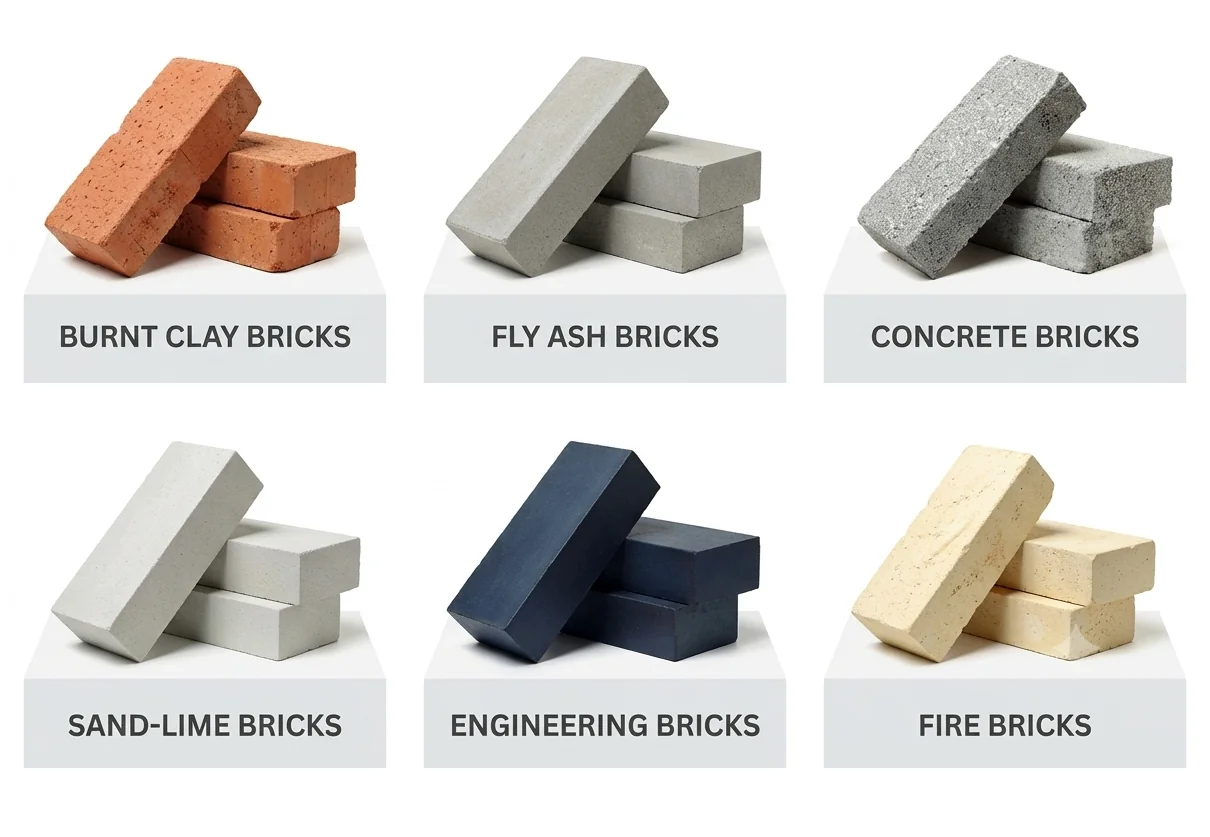
Burnt Clay Bricks
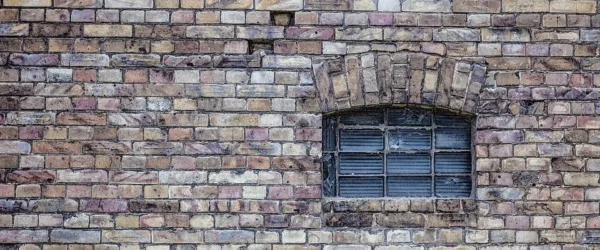
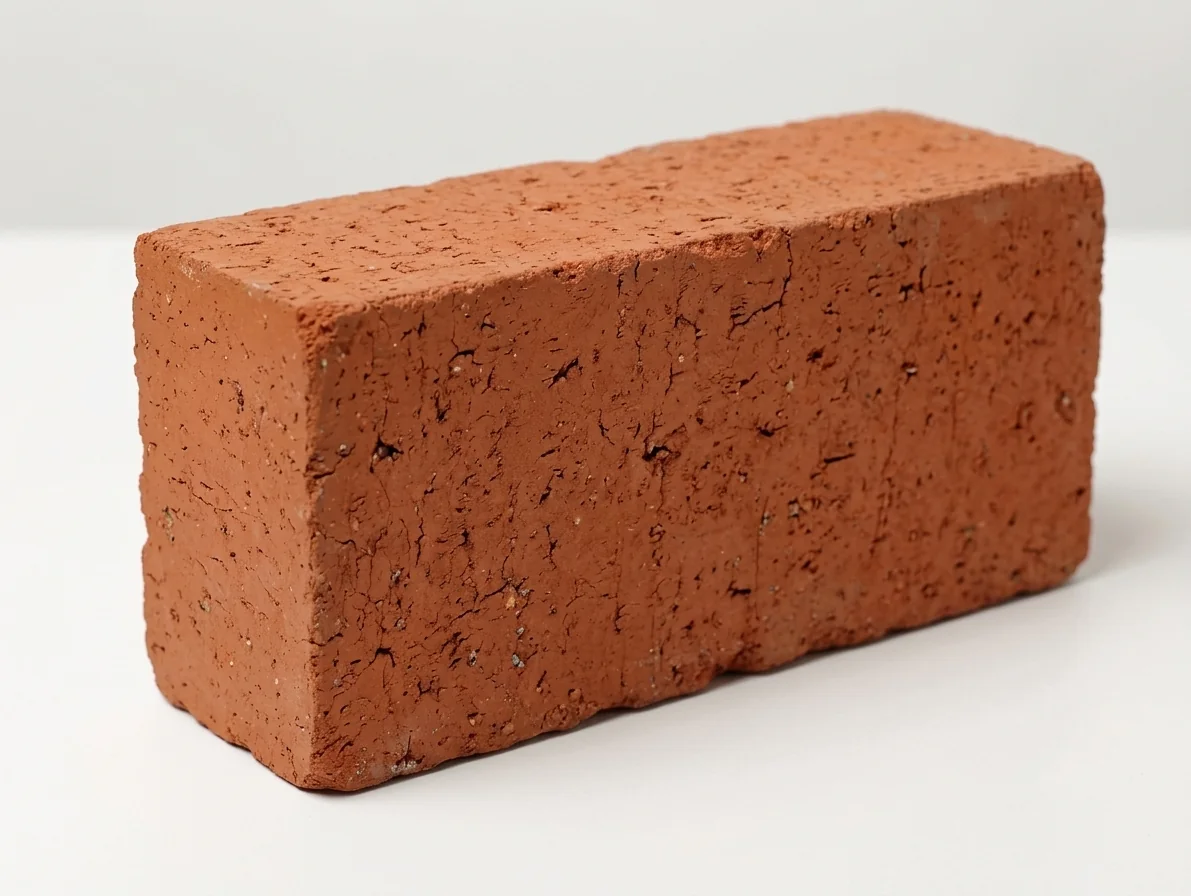
Burnt clay bricks are manufactured by moulding clay into the required shape and then burning the bricks in a kiln. They are among the most commonly used masonry units in traditional construction.
Common size
A commonly specified modular brick in India has:
- Actual size: 190 × 90 × 90 mm
- Nominal size with mortar: 200 × 100 × 100 mm
Traditional/local bricks may have different dimensions depending on the region and manufacturer.
Purpose
Burnt clay bricks are mainly used for:
- Load-bearing walls
- Partition walls
- Compound walls
- Small residential buildings
- General masonry work
Where to use
They are suitable for:
- Residential buildings
- Small commercial buildings
- Internal and external walls
- Boundary walls
- General masonry above ground level
For structural applications, the brick's strength and water absorption should be checked rather than selecting solely by appearance.
Fly Ash Bricks
Fly ash bricks are manufactured primarily using fly ash, sand/stone dust and a binding material such as cement or lime, followed by curing.
They are increasingly used as an alternative to traditional clay bricks.
Common sizes
Commonly available sizes include:
- 230 × 110 × 70 mm
- 230 × 110 × 75 mm
- Other sizes are also available depending on the manufacturer.
Larger fly ash masonry units may also be available.
Characteristics
- Uniform dimensions
- Smooth surface
- Good dimensional accuracy
- Relatively low water absorption when properly manufactured
- Good compressive strength
- Lower mortar consumption because of uniform dimensions
- Suitable for faster masonry work
Purpose
Fly ash bricks are primarily used for wall construction.
Where to use
- Residential buildings
- Apartments
- Commercial buildings
- Industrial buildings
- Internal partitions
- External walls
- Infill masonry in framed structures
Because of their uniformity, they are particularly convenient for RCC framed buildings where masonry walls are not themselves the primary structural frame.
Concrete Bricks
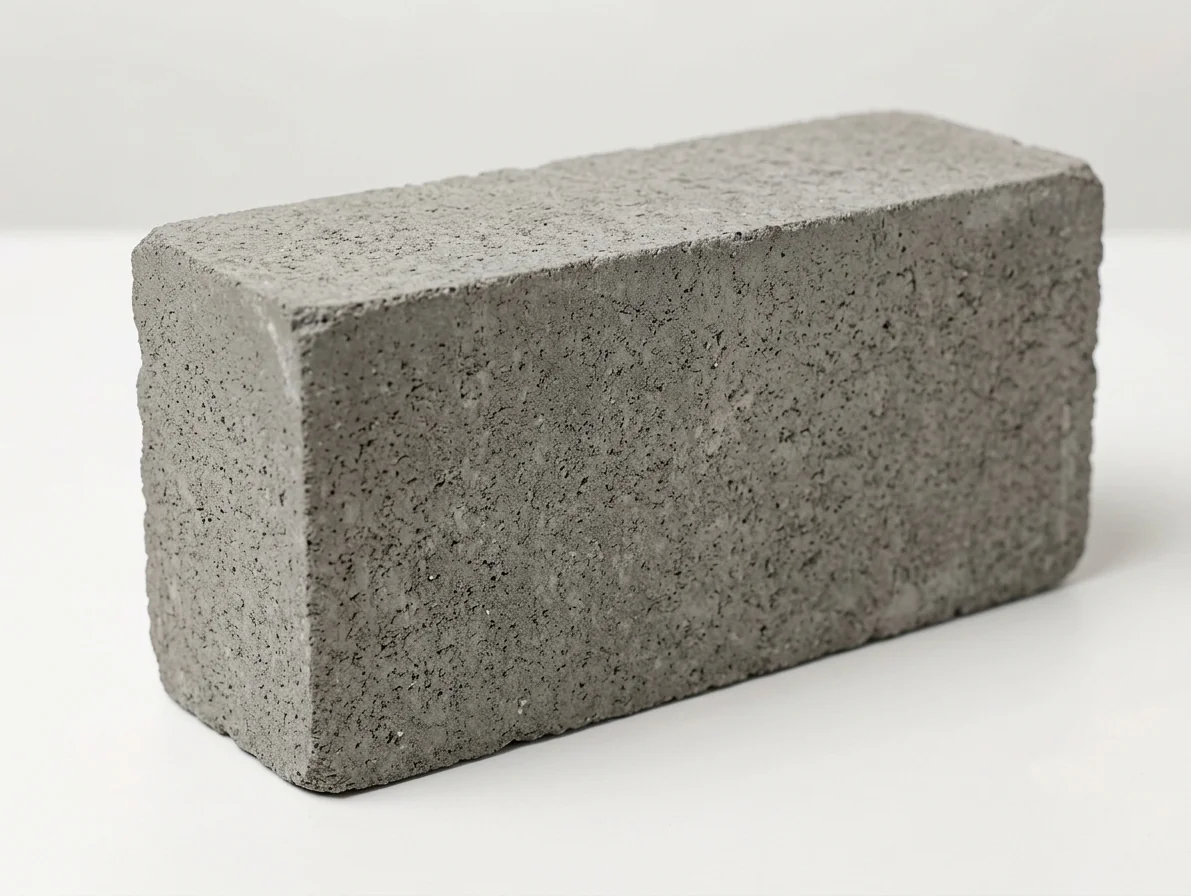
Concrete bricks are made using cement, sand and aggregates. They are different from conventional clay bricks and are available in different sizes and strengths.
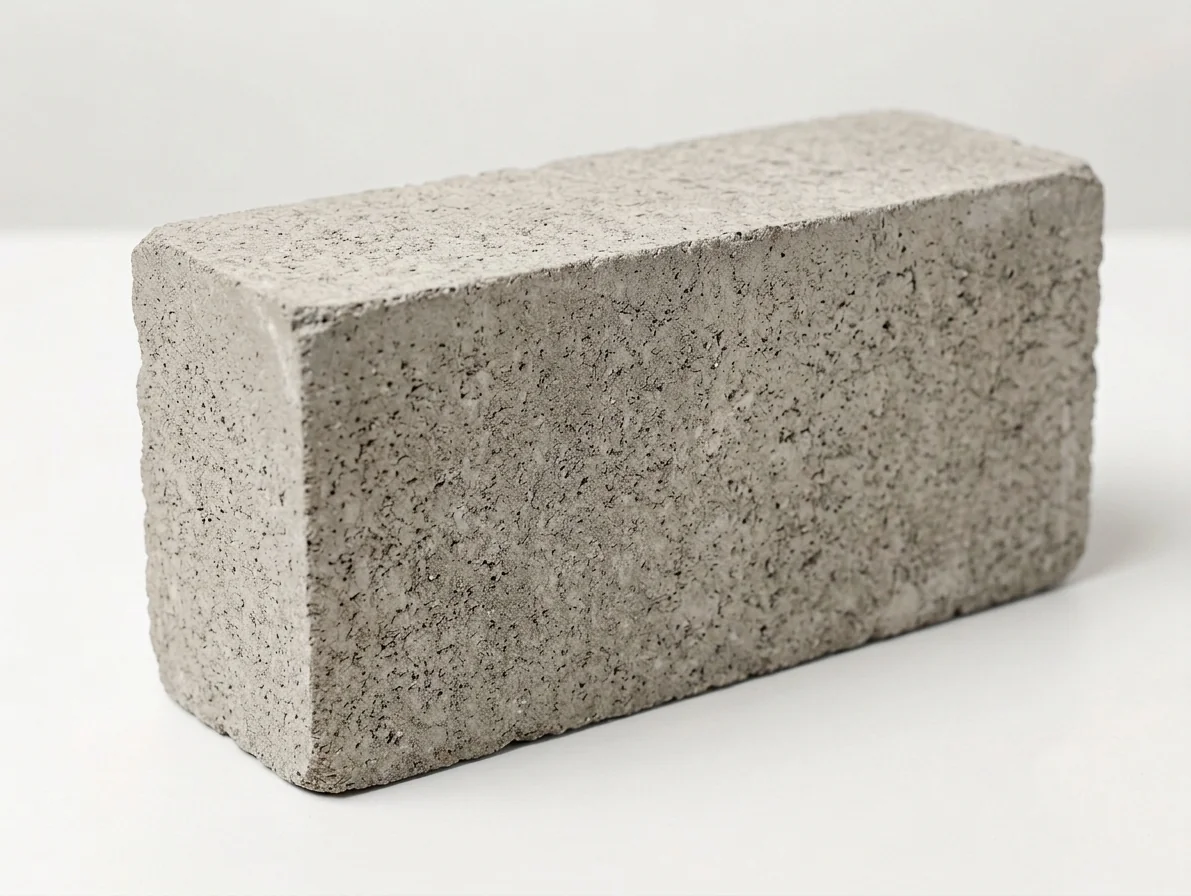
Common sizes
Depending on the manufacturer, concrete masonry units can be considerably larger than conventional bricks.
Typical units may include:
- 400 × 200 × 100 mm
- 400 × 200 × 150 mm
- 400 × 200 × 200 mm
These dimensions vary by product.
Purpose
Concrete bricks/blocks are used to construct strong and relatively fast masonry walls.
Where to use
- External walls
- Internal walls
- Partition walls
- Compound walls
- Industrial buildings
- Commercial buildings
For larger units, they are often referred to as concrete blocks rather than bricks.
Sand-Lime Bricks
Sand-lime bricks, also called calcium silicate bricks, are manufactured using sand, lime and water and then cured under pressure.
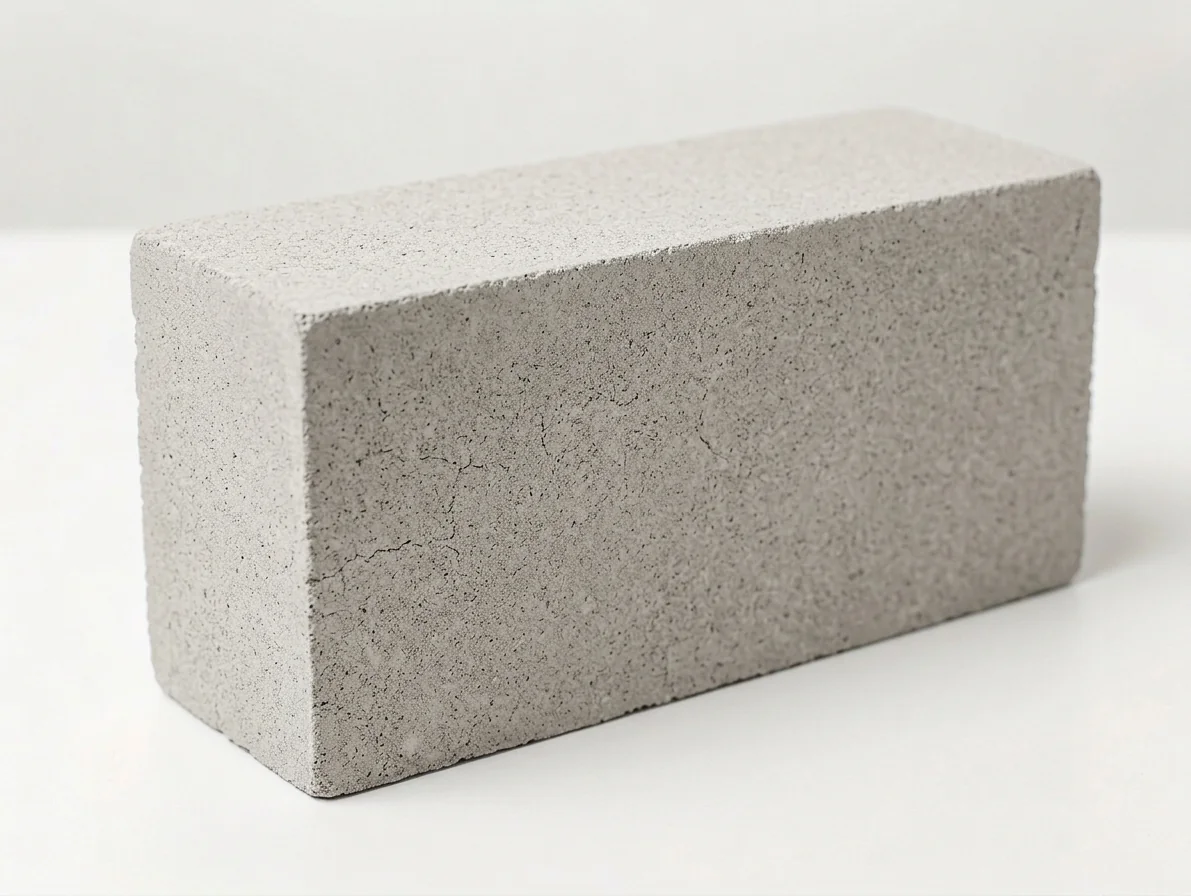
Characteristics
- Uniform shape
- Smooth surface
- Good dimensional accuracy
- Good strength
- Generally light-coloured
Purpose
They can be used for masonry where dimensional accuracy and appearance are important.
Where to use
- Residential buildings
- Commercial buildings
- Partition walls
- External walls
- Architectural masonry
Their availability varies by region compared with clay and fly ash products.
Engineering Bricks
Engineering bricks are manufactured to achieve high strength and low water absorption.
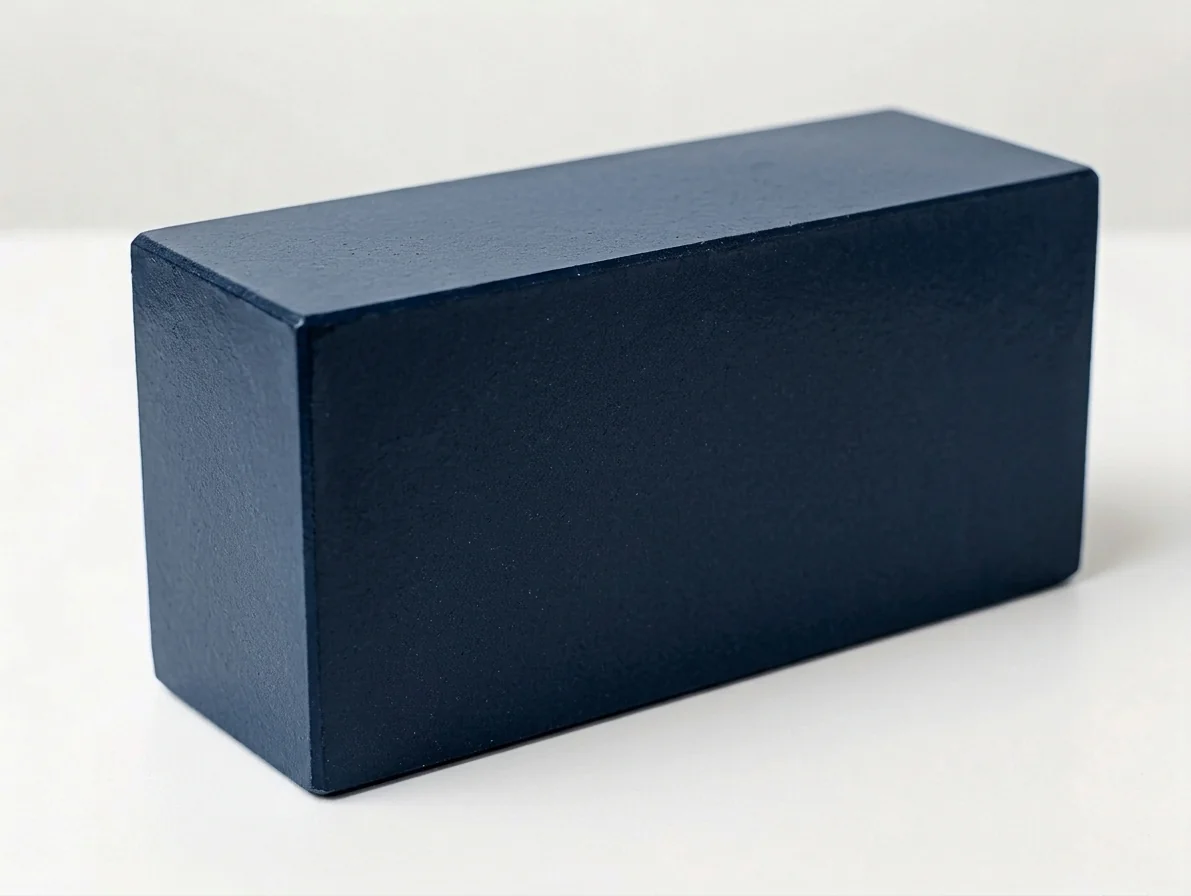
Characteristics
- High compressive strength
- Low water absorption
- High durability
- Good resistance to severe environmental conditions
Purpose
They are selected for situations where masonry needs higher performance than ordinary bricks.
Where to use
- Foundations
- Heavy-duty masonry
- Retaining structures where brick masonry is specified
- Areas exposed to moisture
- Industrial construction
- Certain infrastructure applications
The exact performance requirements should be checked against the project specification.
Fire Bricks / Refractory Bricks
Fire bricks are specially manufactured to withstand very high temperatures.
Ordinary clay bricks should not be substituted for refractory bricks in high-temperature applications.
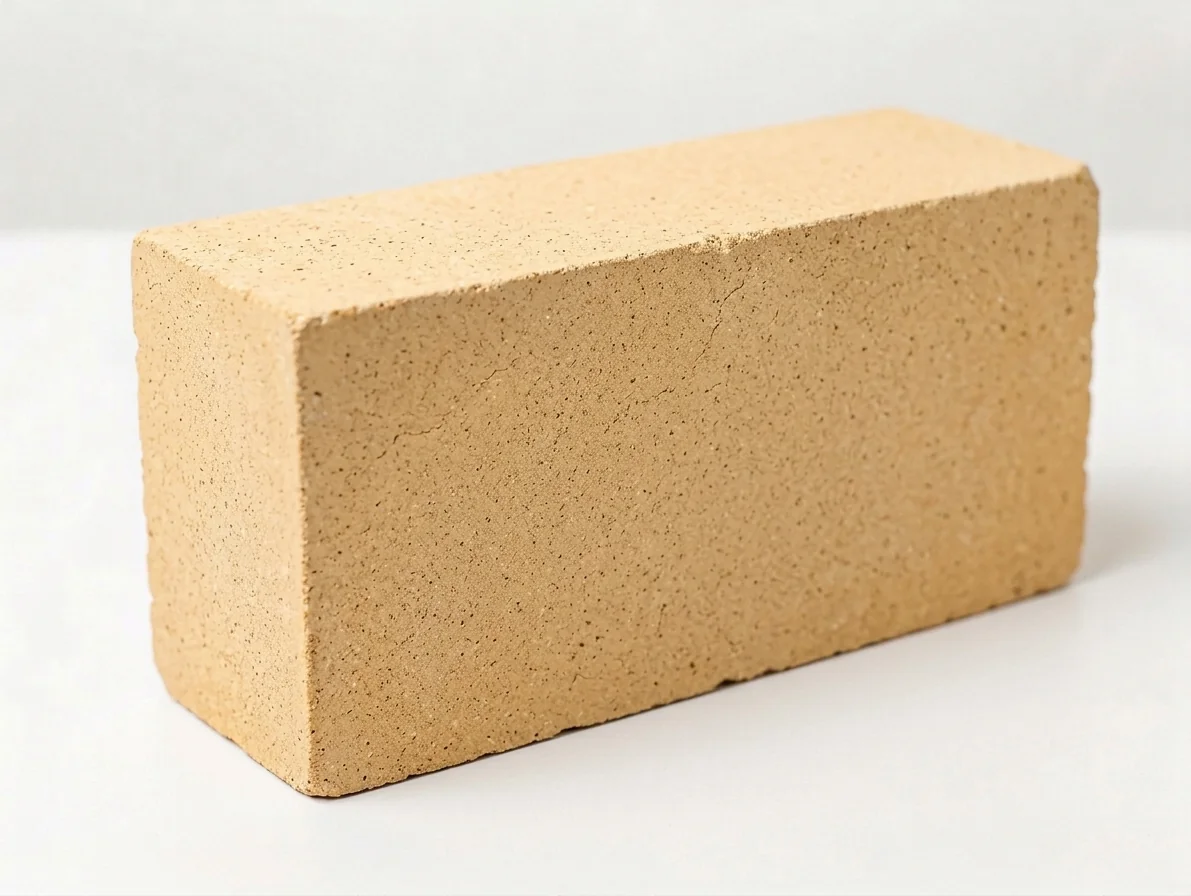
Characteristics
- High temperature resistance
- Good thermal stability
- Resistance to thermal shock depending on grade
Purpose
They protect structures and equipment exposed to high temperatures.
Where to use
- Furnaces
- Boilers
- Kilns
- Chimneys
- Fireplaces
- Industrial heating equipment
The appropriate refractory grade depends on the operating temperature and chemical environment.
AAC Blocks
AAC (Autoclaved Aerated Concrete) blocks are technically masonry blocks rather than traditional bricks. They are widely used in modern Indian construction.
They are manufactured from materials such as cement, lime, sand/fly ash, gypsum and an aerating agent, followed by autoclaving.
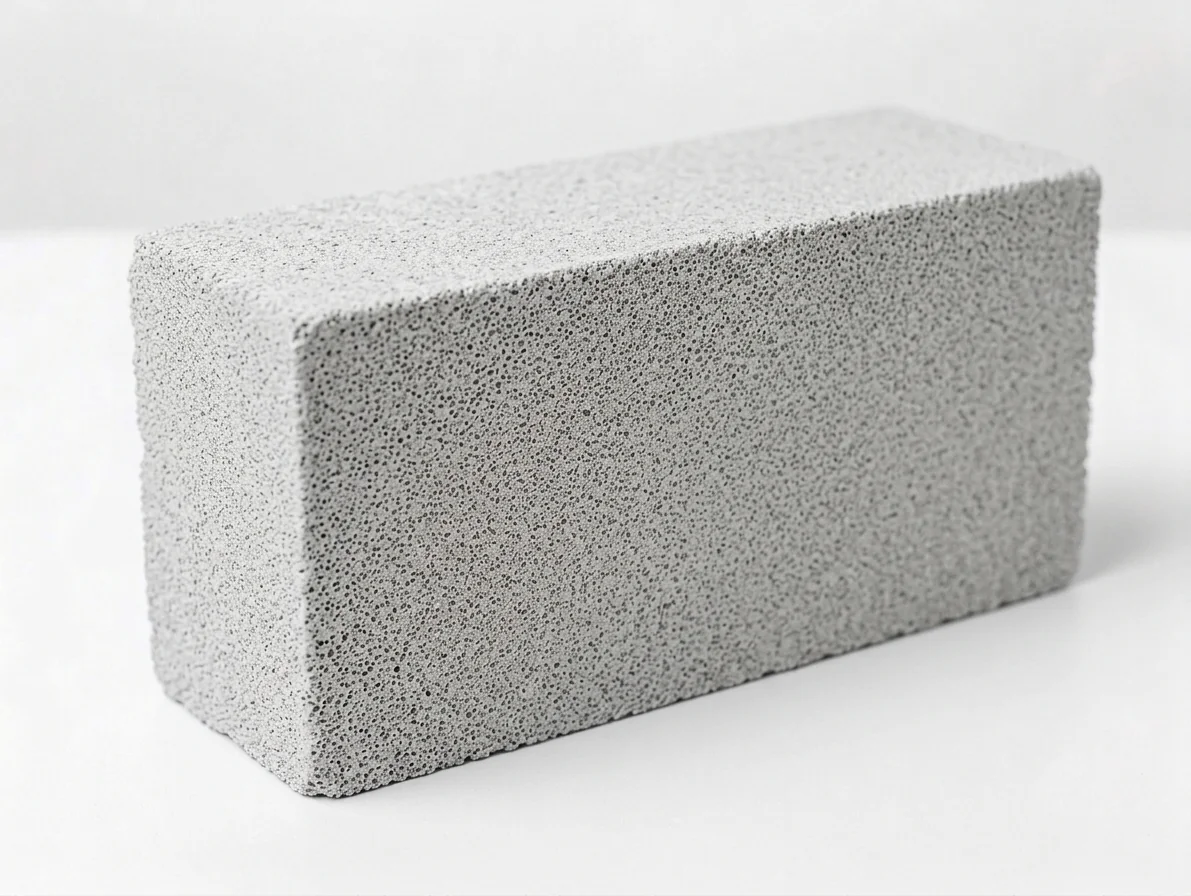
Common sizes
A common AAC block size is approximately:
600 × 200 × 100/150/200 mm
Other thicknesses are available depending on wall requirements.
Characteristics
- Very lightweight
- Good thermal insulation
- Large size
- Faster wall construction
- Lower dead load compared with conventional masonry
- Easy to cut and chase
- Relatively good fire resistance
Purpose
AAC blocks are primarily used to construct non-load-bearing or infill walls in framed structures, subject to the structural design.
Where to use
- Apartment buildings
- High-rise buildings
- Office buildings
- Commercial buildings
- Residential buildings
- Internal partition walls
- External infill walls
Why use AAC blocks?
A conventional brick wall requires many individual bricks. A single AAC block covers a much larger wall area, which can reduce masonry labour and construction time.
Brick Size Comparison
| Brick / Masonry Unit | Typical Size | Main Purpose | Common Use |
|---|---|---|---|
| Modular clay brick | 190 × 90 × 90 mm | General masonry | Walls, partitions |
| Fly ash brick | Commonly 230 × 110 × 70/75 mm | Wall masonry | Residential & commercial buildings |
| Concrete block | Commonly 400 × 200 × 100/150/200 mm | Wall construction | Commercial/industrial buildings |
| AAC block | Commonly 600 × 200 × 100/150/200 mm | Lightweight wall construction | Apartments, offices, houses |
| Engineering brick | Varies | High-strength masonry | Heavy-duty applications |
| Fire brick | Varies | High-temperature protection | Furnaces, kilns, boilers |
Indicative Brick and Block Prices
| Brick / Block Type | Common Size | Indicative Price* | Purpose | Where to Use |
|---|---|---|---|---|
| Red Clay Brick | 230 × 110 × 75 mm | ₹7–₹14/pc | General masonry | Houses, walls, compound walls |
| Modular Clay Brick | 190 × 90 × 90 mm | ₹7–₹15/pc | Standard masonry | Residential & commercial buildings |
| Fly Ash Brick | 230 × 110 × 75 mm | ₹5–₹10/pc | Strong, uniform masonry | Houses, apartments, commercial buildings |
| Wire-Cut Brick | 230 × 110 × 75 mm | ₹7–₹13/pc | Accurate, neat masonry | Exposed and plastered walls |
| AAC Block – 4 inch | 600 × 200 × 100 mm | ₹40–₹55/pc | Lightweight partition | Internal walls |
| AAC Block – 6 inch | 600 × 200 × 150 mm | ₹55–₹80/pc | Lightweight wall construction | External & internal walls |
| AAC Block – 8 inch | 600 × 200 × 200 mm | ₹75–₹90/pc | Thicker insulated walls | External walls |
| Solid Concrete Block | 400 × 200 × 200 mm | ₹35–₹65/pc | Strong masonry | Heavy-duty walls, compound walls |
| Hollow Concrete Block | 400 × 200 × 200 mm | ₹30–₹60/pc | Lightweight masonry | Partition & external walls |
| Porotherm Brick | Approx. 400 × 200 × 100–200 mm | ₹50–₹75/pc | Lightweight masonry | External & internal walls |
| Engineering Brick | Varies | ₹10–₹25+/pc | High-strength masonry | Heavy-duty applications |
| Fire Brick | Varies | ₹30–₹100+/pc | High-temperature resistance | Furnaces, kilns, boilers |
Note: Actual commercially available dimensions vary by manufacturer and product standard. Always verify the manufacturer's technical datasheet and the project specification before ordering. Prices are indicative 2026 market ranges, not fixed quotations. Chennai references currently show red clay around ₹7–₹12 in one market tracker, fly ash around ₹5–₹10, and AAC prices varying substantially by thickness and supplier.
Which Brick Should You Choose?
The choice should depend on the purpose of the wall, not simply on the lowest price.
For a normal residential house
Common choices include:
- Burnt clay bricks
- Fly ash bricks
- AAC blocks
For an RCC-framed building
Common choices include:
- Fly ash bricks
- AAC blocks
- Concrete blocks
Here, the RCC frame carries the primary structural loads, while the masonry generally acts as infill or partitioning, according to the structural design.
For lightweight construction
AAC blocks are commonly selected because their density is much lower than conventional masonry units.
For high-temperature applications
Use fire/refractory bricks, not ordinary wall bricks.
For heavy-duty or high-strength applications
Consider engineering bricks or suitable concrete masonry units, depending on the structural and environmental requirements.
Important Brick Quality Checks
Before purchasing bricks for a project, check:
- Compressive strength
- Water absorption
- Dimensional accuracy
- Efflorescence
- Cracks and surface defects
- Uniformity of colour and shape
- Manufacturer/test certification
- Compliance with the applicable Indian Standard
- Suitability for the specific wall/application
A brick that is suitable for an internal partition may not necessarily be suitable for a load-bearing wall, foundation or high-temperature application.
Quick selection guide
Wall type → Possible suitable material
- Residential masonry → Clay brick / fly ash brick / AAC block
- RCC-frame infill wall → Fly ash brick / AAC block / concrete block
- Compound wall → Clay brick / fly ash brick / concrete block
- Heavy-duty masonry → Engineering brick / suitable concrete masonry unit
- Furnace or kiln → Fire/refractory brick
- Soling/base work → Suitable over-burnt brick where specified
- Lightweight wall → AAC block
Plan, Visualize and Build Your Dream Space with Zlendo Realty
Bring your home or commercial design ideas to life with Zlendo Realty’s AI-powered tools. From initial planning and space design to 3D visualization and construction cost estimation, Zlendo Realty helps you plan your project from start to finish in one place.
Whether you are designing a new home, renovating an existing property, or planning a commercial space, the Zlendo Realty team is here to support your design needs and provide practical guidance throughout your construction journey.
Plan smarter. Visualize better. Build with confidence.
Try Zlendo Realty Now
Start planning your next home or commercial project with AI-powered design and visualization tools.
Frequently Asked Questions
1. What are the main types of bricks used in India?
The main types include burnt clay bricks, fly ash bricks, concrete bricks or blocks, sand-lime bricks, engineering bricks and fire bricks. The right choice depends on the project's structural, functional and design requirements.
2. What is the standard brick size in India?
The commonly specified modular brick has an actual size of 190 × 90 × 90 mm. The nominal size, including a typical 10 mm mortar joint, is 200 × 100 × 100 mm.
3. How do I choose the right bricks for my home construction?
Brick selection depends on factors such as strength, durability, water absorption, wall type, local availability, budget and applicable construction requirements. An architect or construction professional can help determine the appropriate option for your project.
4. Can brick selection affect my home's design?
Yes. Brick type, size, texture and colour can influence wall thickness, exterior appearance, interior finishes and overall architectural design. These factors can be considered during the planning and visualization stages.
5. Can I visualize my home design before construction?
Yes. 3D visualization can help you understand the proposed layout, exterior appearance, interiors, materials and overall design before construction begins. Zlendo Realty provides AI-powered tools to help plan and visualize home and commercial spaces.
6. Can Zlendo Realty help me plan my home design?
Yes. Zlendo Realty can help customers plan their home design requirements, from initial ideas and space planning to design development and 3D visualization.
7. Can Zlendo Realty help with commercial space design?
Yes. Zlendo Realty's design tools and team support can be used to plan and visualize commercial spaces according to the project's layout, functionality and design requirements.
8. Can I estimate construction costs during the design stage?
Construction cost estimation can be considered during the planning process. Zlendo Realty's AI-powered tools are designed to help users plan their projects and calculate estimated construction costs based on the project requirements.
9. Does Zlendo Realty provide guidance throughout the design and construction planning process?
Yes. The Zlendo Realty team can support customers with their design requirements and provide construction-related guidance, helping them move from initial planning toward a more clearly defined project.
10. Why use AI-powered tools for home and commercial design?
AI-powered design tools can help make planning and visualization more efficient by allowing users to explore design ideas, visualize spaces in 3D and assess project requirements earlier in the planning process. Zlendo Realty combines these tools with team support for a more guided design experience.